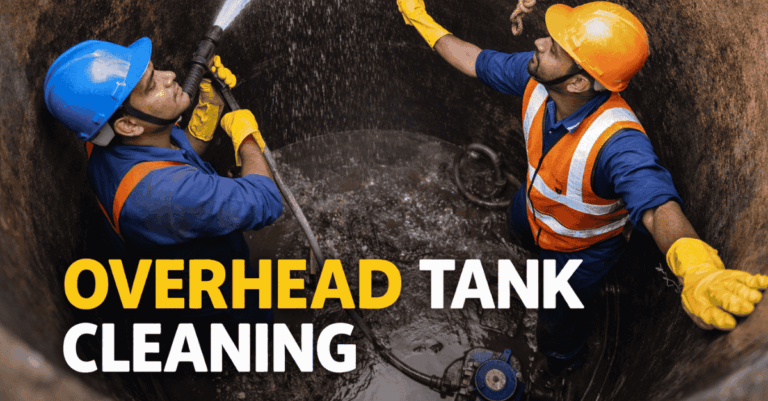
Overhead Tank Cleaning – The Complete Professional Guide for Safe & Healthy Water
Clean water is not just a convenience — it is a necessity for healthy living. Yet one of the most ignored components of any home, apartment, office, hospital, or industry is the overhead water tank. Without proper overhead tank cleaning, even the purest municipal water becomes unsafe for consumption.
This comprehensive guide will help you understand why overhead tank cleaning is essential, how often it should be done, the dangers of neglect, professional cleaning methods, pricing, and how to choose the best service provider.
What Is Overhead Tank Cleaning?
Overhead tank cleaning is the systematic process of removing sludge, sediment, algae, bacteria, fungi, insects, and harmful pathogens from water storage tanks installed on rooftops or elevated structures.
It includes:
-
Complete water drainage
-
Removal of physical dirt and sludge
-
High-pressure washing
-
Anti-bacterial treatment
-
Final disinfection and refilling
This process restores the water to a safe, hygienic, and potable condition.
Why Overhead Tank Cleaning Is Critical for Health
Contaminated overhead tanks are a silent health hazard. Over time, tanks accumulate:
-
Mud and sand
-
Rust flakes
-
Bacteria & viruses
-
Mosquito larvae
-
Algae & fungal growth
Using this water causes:
-
Diarrhea
-
Typhoid
-
Cholera
-
Skin infections
-
Hair fall and dandruff
-
Stomach infections
According to the World Health Organization (WHO), unclean water storage systems are one of the leading causes of water-borne diseases worldwide. Official World Health Organization standards on drinking water quality and safety. WHO Drinking-Water Quality Guidelines
How Often Should Overhead Tank Cleaning Be Done?
Health experts and municipal water authorities recommend:
| Property Type | Cleaning Frequency |
|---|---|
| Homes & Apartments | Every 6 months |
| Commercial Buildings | Every 3–4 months |
| Hospitals & Clinics | Every 2–3 months |
| Industries & Factories | Every 1–2 months |
| Hotels & Restaurants | Every 2–3 months |
If your water has a bad smell, yellow tint, visible particles, or slimy walls — immediate cleaning is required.
Professional Overhead Tank Cleaning Process
1. Pre-Inspection
Technicians inspect:
-
Tank material
-
Water quality
-
Level of contamination
-
Inlet and outlet valves
2. Complete Water Drainage
Remaining water is drained safely without contaminating surroundings.
3. Sludge & Sediment Removal
Manual and mechanical tools remove:
-
Thick mud
-
Sand deposits
-
Organic waste
-
Rust flakes
4. High-Pressure Jet Cleaning
Walls, ceiling, and base are cleaned using high-pressure jet machines to remove microscopic contaminants.
5. Anti-Bacterial Treatment
FDA-approved, eco-friendly disinfectants are applied to kill:
-
Bacteria
-
Viruses
-
Fungi
-
Parasites
6. Final Rinse & Refill
Tank is rinsed with clean water and refilled for safe use.
Benefits of Regular Overhead Tank Cleaning
-
Safe & hygienic drinking water
-
Protection from water-borne diseases
-
Increased lifespan of tank
-
Improved taste and odor of water
-
Protection of pipelines & plumbing system
-
Compliance with health standards
Types of Overhead Tanks We Clean
-
Plastic water tanks
-
Concrete water tanks
-
Stainless steel tanks
-
Sintex tanks
-
Fiber tanks
-
Industrial storage tanks
Overhead Tank Cleaning Pricing (Average)
| Tank Capacity | Typical Cost (INR) |
|---|---|
| 500 – 1000 Liters | ₹500 – ₹900 |
| 1000 – 2000 Liters | ₹800 – ₹1500 |
| 2000 – 5000 Liters | ₹1500 – ₹2500 |
| Above 5000 Liters | Custom pricing |
(Prices vary by location, access height & contamination level)
Common Signs Your Overhead Tank Needs Immediate Cleaning
-
Water smells foul
-
Brown or yellow water
-
Slimy tank walls
-
Increased mosquito presence
-
Frequent stomach issues in family
-
Reduced water pressure due to clogged pipes
DIY vs Professional Overhead Tank Cleaning
| DIY Cleaning | Professional Cleaning |
|---|---|
| Incomplete dirt removal | 100% sludge & bacteria removal |
| Unsafe chemicals | Certified eco-friendly chemicals |
| No bacterial testing | Full hygiene & disinfection |
| High risk of contamination | Zero contamination guarantee |
| Short-term result | Long-lasting protection |
Professional service is safer, more effective, and economical in the long run.
How to Choose the Best Overhead Tank Cleaning Service
Look for:
-
Government & ISO certifications
-
Trained technicians
-
Use of food-grade disinfectants
-
Transparent pricing
-
Insurance coverage
-
Customer reviews
-
After-service support
Environmental Safety & Chemical Usage
Modern overhead tank cleaning uses biodegradable, non-toxic disinfectants that:
-
Do not affect water taste
-
Are safe for children & pets
-
Leave no harmful residue
-
Comply with environmental norms
Frequently Asked Questions
Is overhead tank cleaning really necessary?
Yes. Without cleaning, bacteria multiply rapidly and cause serious health issues.
How long does the cleaning process take?
Usually 45–90 minutes depending on tank size and contamination.
Can I use the water immediately after cleaning?
Yes. After final rinse and refill, water is completely safe for usage.
Is the process safe for plastic tanks?
Yes. Only tank-safe chemicals and pressure settings are used.
Conclusion – Protect Your Family with Regular Overhead Tank Cleaning
Clean water is the foundation of good health. Regular overhead tank cleaning ensures your water remains pure, safe, and healthy for every member of your household or organization.
Neglecting tank hygiene may save money today — but it costs health tomorrow.
Schedule professional overhead tank cleaning and enjoy pure water with complete peace of mind.
Frequently Asked Questions – Overhead Tank Cleaning
1. Why is overhead tank cleaning important for health?
Overhead tank cleaning is essential because water stored for long periods collects dirt, sediment, algae, bacteria, insects, and even harmful pathogens. Without regular cleaning, this contaminated water is used for drinking, cooking, bathing, and washing, which can cause serious health problems such as stomach infections, skin issues, and water-borne diseases. Professional overhead tank cleaning removes these harmful elements completely and ensures your water remains safe, hygienic, and healthy for daily use.
2. How often should overhead tank cleaning be done?
Ideally, overhead tank cleaning should be done once every six months for residential properties. For apartments, commercial buildings, hospitals, hotels, and industries, cleaning should be done every three to four months depending on water usage and contamination levels. Regular cleaning prevents sludge buildup, bacterial growth, and foul odors, ensuring continuous access to clean and safe water.
3. What happens if overhead tank cleaning is ignored for a long time?
If overhead tank cleaning is ignored, thick layers of sludge, rust, algae, and bacteria develop inside the tank. Over time, this contamination spreads into pipelines and household taps, making the water unsafe for consumption. This can result in frequent illnesses, reduced water quality, unpleasant taste and smell, and damage to plumbing systems. Neglecting tank cleaning can also reduce the lifespan of the tank itself.
4. Is the water safe to use immediately after overhead tank cleaning?
Yes, after professional overhead tank cleaning, the water is completely safe for use. The process includes thorough washing and disinfection using food-grade, eco-friendly chemicals that eliminate bacteria and germs without leaving harmful residues. Once the tank is rinsed and refilled, the water can be safely used for drinking, cooking, bathing, and all household activities.
5. How long does the overhead tank cleaning process take?
The entire overhead tank cleaning process typically takes between 45 minutes to 90 minutes depending on the size of the tank, level of contamination, and ease of access. Larger commercial or industrial tanks may require slightly more time, but the process is always planned to minimize inconvenience while ensuring complete hygiene and safety.
HowTo: Overhead Tank Cleaning Process Explained
HowTo Step 1: Drain the Tank Completely
The first step in overhead tank cleaning is to drain all the stored water from the tank safely. This allows technicians to inspect the interior and assess the level of dirt, sludge, and contamination. Draining ensures that no contaminated water remains before the cleaning process begins.
HowTo Step 2: Remove Sludge and Sediments
Once the tank is empty, technicians manually and mechanically remove thick sludge, sand, algae, rust flakes, and other solid deposits that have settled at the bottom and walls of the tank. This step is crucial because sludge is the primary breeding ground for bacteria and harmful microorganisms.
HowTo Step 3: High-Pressure Cleaning
After removing the solid waste, the inner surfaces of the tank are washed using high-pressure jet cleaning machines. This helps remove stubborn stains, biofilm, and microscopic contaminants from the walls, ceiling, and floor of the tank, restoring its original cleanliness.
HowTo Step 4: Disinfection and Anti-Bacterial Treatment
Once the tank is physically clean, food-grade disinfectants are applied to eliminate remaining bacteria, viruses, fungi, and parasites. This anti-bacterial treatment ensures that the water stored afterward remains safe and free from harmful microorganisms for a long time.
HowTo Step 5: Final Rinse and Refill
In the final step of overhead tank cleaning, the tank is thoroughly rinsed with clean water to remove any traces of cleaning agents. The tank is then refilled with fresh water, making it immediately ready for safe usage.
HowTo Step 6: Post-Cleaning Inspection
Technicians conduct a final inspection to ensure that the tank is completely clean, odor-free, and hygienic. They also check valves, inlets, and outlets to ensure proper water flow and prevent future contamination.
While overhead tank cleaning plays a major role in maintaining the quality of water used in your home or workplace, it is equally important to ensure that the water stored at the source remains clean and hygienic. Many buildings rely on underground storage as the primary supply point, and any contamination at this level can affect the entire water system. This is why scheduling professional underground water tank cleaning is essential to remove settled sludge, bacteria, and harmful deposits before the water is pumped into overhead tanks. By maintaining both underground and overhead tanks, you create a complete water hygiene system that protects health, improves water quality, and extends the life of your plumbing infrastructure.